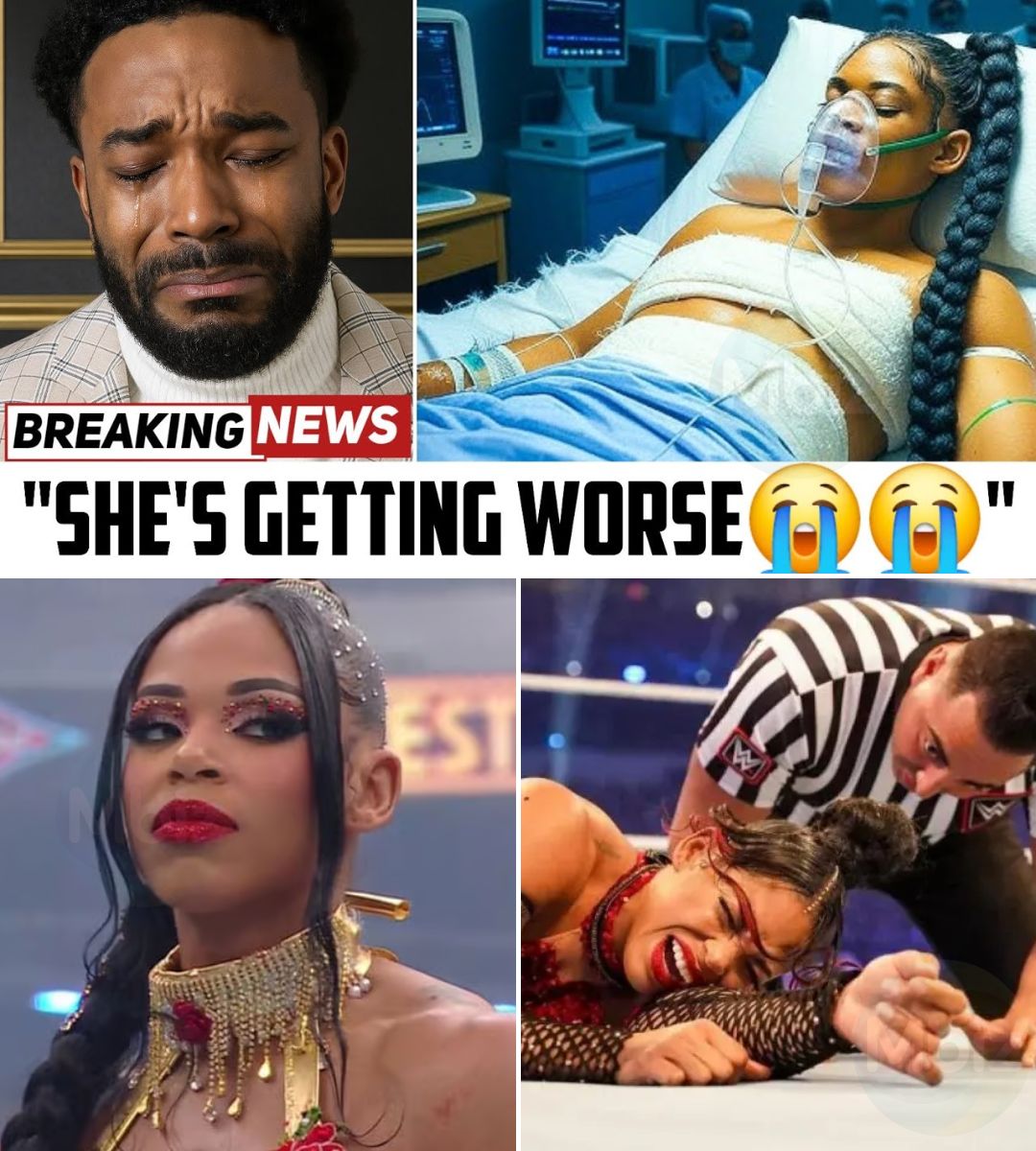
Bianca Belair’s absence from WWE programming has sparked outrage among fans and insiders alike, as shocking revelations about her injury and the company’s treatment of its stars come to light. What was initially reported as a minor finger injury sustained at WrestleMania 41 has turned into a grim exposé of WWE’s toxic culture, where superstars are pressured to perform despite debilitating injuries. Sources indicate that Belair was already compromised before the event, and medical staff warned against pushing her further. Instead of supporting her recovery, WWE has chosen to erase her from television, leaving fans frustrated and questioning the company’s priorities.
 The finger injury that sidelined Bianca Belair is far more severe than WWE has publicly acknowledged. Reports suggest complex ligament damage and potential nerve involvement that could threaten her career. Despite these alarming details, WWE has opted for silence, offering vague recovery timelines that stretch indefinitely, leaving fans in the dark about her condition.
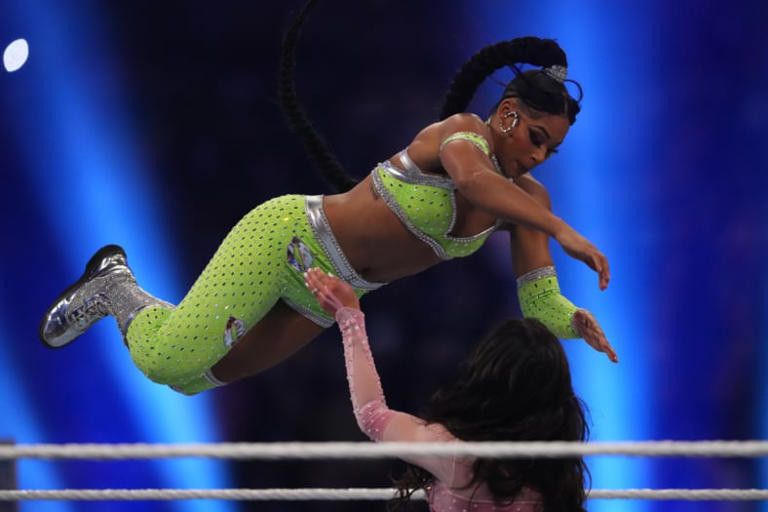
While other injured stars like Roman Reigns received ongoing storylines and updates during their recoveries, Belair has been entirely absent from WWE programming. This stark contrast raises concerns about how the company values its top performers. The message is clear: if you can’t perform, you’re disposable.
The fallout from Belair’s injury has exposed a significant flaw in WWE’s women’s division. The absence of one of their top stars has led to uninspired storylines and a lack of depth in the roster. Other wrestlers have struggled to fill the void, highlighting WWE’s failure to develop its talent adequately.
Fans are increasingly voicing their frustrations on social media, expressing disappointment over WWE’s handling of Belair’s situation. The company continues to profit from her merchandise and likeness while leaving her fans without the content they crave. This perceived betrayal could cost WWE dearly if fans choose to take their business elsewhere.

Moreover, former wrestlers have spoken out about the pressure to perform while injured, emphasizing a culture that prioritizes profits over performer health. Belair’s situation is a glaring example of this systemic issue, raising questions about WWE’s medical protocols and the treatment of its talent.
As WWE reshuffles its women’s division around Belair’s absence, the long-term implications for both the company and the performer remain uncertain. Fans are left to wonder how her eventual return will be received and whether WWE will support her adequately during her recovery.
The wrestling community must demand accountability from WWE regarding how they treat their injured performers. Belair’s situation is not just about one wrestler; it reflects a broader problem within the industry that needs to be addressed. Fans have the power to influence change by voicing their concerns and holding the company accountable.
The time for silence is over. The wrestling community must unite to demand better treatment for all performers. Bianca Belair deserves better, and so do the fans who support her. As the situation develops, the spotlight remains on WWE and its responsibility to protect and support its stars.