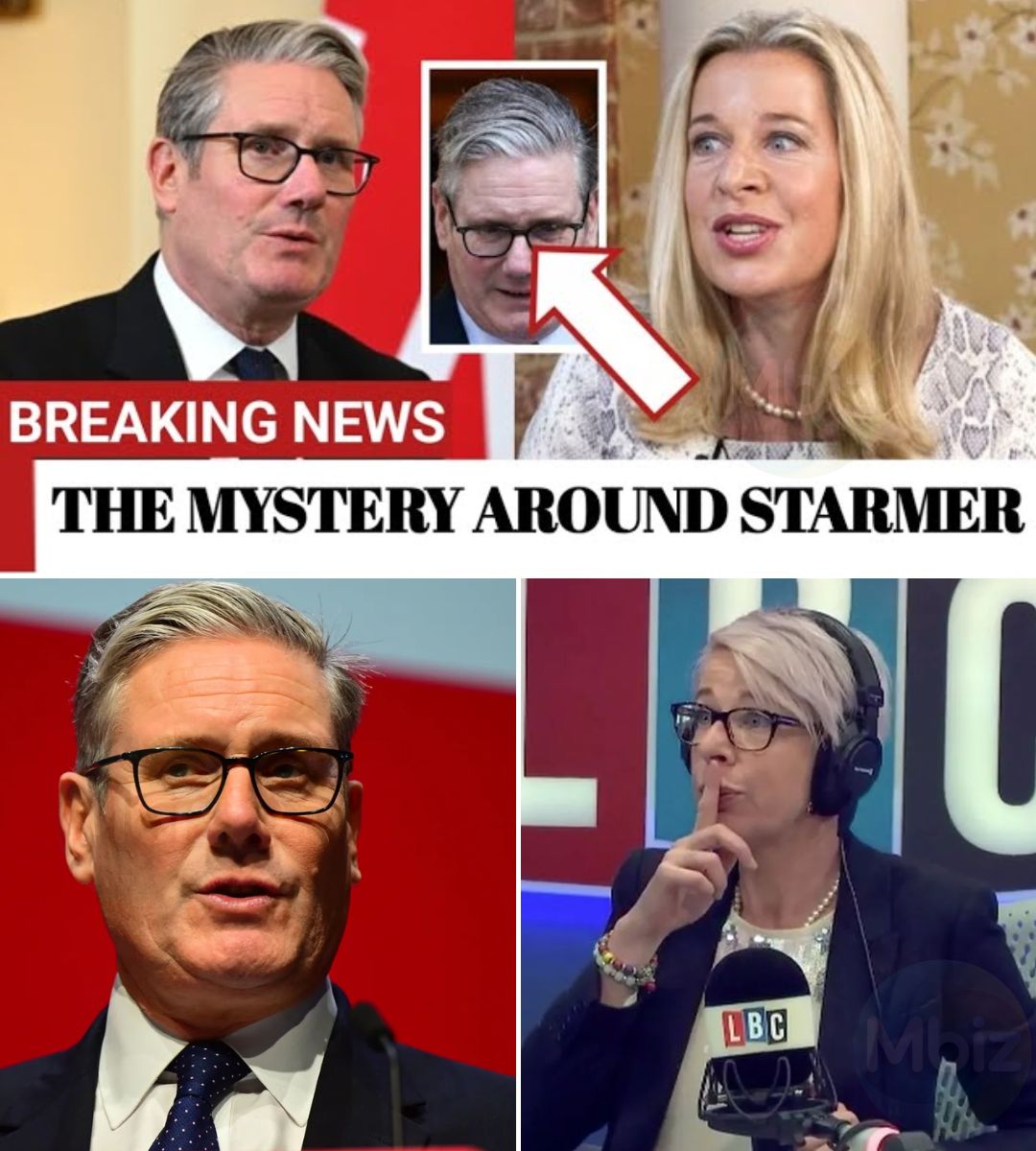
Katie Hopkins has ignited a political firestorm with her latest comments on Keir Starmer, forcing the public to confront uncomfortable questions about his leadership style. In a surprising turn, Hopkins, known for her controversial views, has shifted the narrative from scandals to the deeper implications of Starmer’s cautious political maneuvering. As her remarks reverberate through social media and political circles, observers are left wondering why this conversation is emerging now and what it means for the future of Starmer’s political identity.
 Hopkins’ critique centers on the notion that the discourse surrounding Starmer has become superficial, overly fixated on daily political drama rather than his long-term vision. She argues that this lack of depth is a disservice to the public, who deserve clarity about their potential leader. Her measured approach, devoid of sensationalism, has struck a chord, prompting a reevaluation of Starmer’s carefully curated image.
Political analysts have echoed Hopkins’ sentiments, noting that while Starmer’s strategy of presenting himself as a stable alternative to past turbulence has yielded numerical success, it risks leaving voters confused about his true stance. The immediate backlash and engagement on social media highlight the urgency of this conversation, with many users expressing a growing desire for transparency in leadership.
As the political landscape shifts, insiders are weighing in, suggesting that Starmer’s risk-averse approach may be backfiring. A former Labour adviser remarked that the public is craving clarity, especially in these tumultuous times. The conversation has transcended local politics, becoming a global discussion about the nature of leadership in modern governance.
Hopkins’ comments have opened a Pandora’s box of inquiries regarding Starmer’s political identity. Are voters connecting with him as a person, or merely the concept of stability he represents? This pivotal moment has rekindled a long-simmering debate about the qualities that define effective leadership.
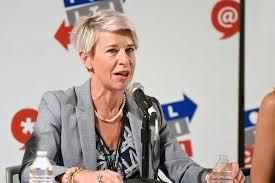
The implications of this discourse are far-reaching. Starmer now faces a critical juncture: will he address these concerns head-on, or continue to embrace ambiguity as a strategic choice? The stakes are high, and the pressure is mounting.
With public sentiment shifting and the demand for answers growing louder, the question remains: how much longer can Starmer maintain his carefully crafted image before the truth emerges? The political landscape is evolving, and Hopkins has reignited a conversation that could redefine leadership dynamics in the UK and beyond.
As we move forward, all eyes will be on Starmer and his response to these mounting pressures. The political arena is set for potential upheaval, and the next few weeks could prove crucial in determining the trajectory of his leadership. The call for transparency and clarity is unmistakable, and the public is ready for a deeper understanding of who Keir Starmer truly is.